DFW serves as the lead agency in the management of harmful invasive species to the Territory as well as the importation of non-native exotic pets in coordination with the Department of Agriculture. Invasives are distinguished from other non-native speciesby their negative impact on native ecosystems. They may be predators of native species, compete with natives for limited resources, or introduce diseases to which the local population has not been exposed. They can also have significant economic impacts by infesting or invading human food systems, or otherwise affecting agriculture, fisheries, forestry, and tourism. Through funding from the Department of the Interior, Office of Insular Affairs, DFW has been tasked with creating a coordinated response effort for managing invasives known as the Early Detection and Rapid Response (EDRR) network. In turn, DFW has created an entire website dedicated to invasive species education and the EDRR network
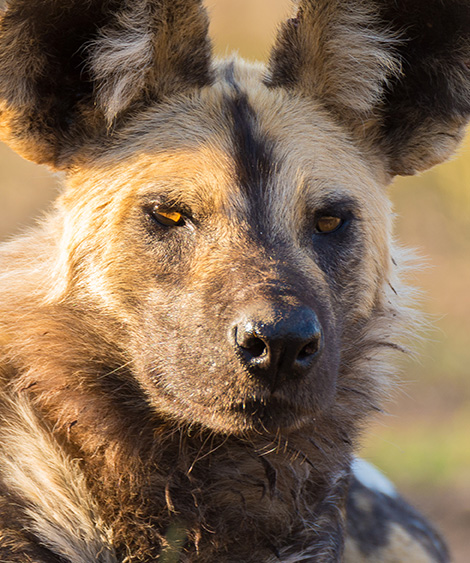
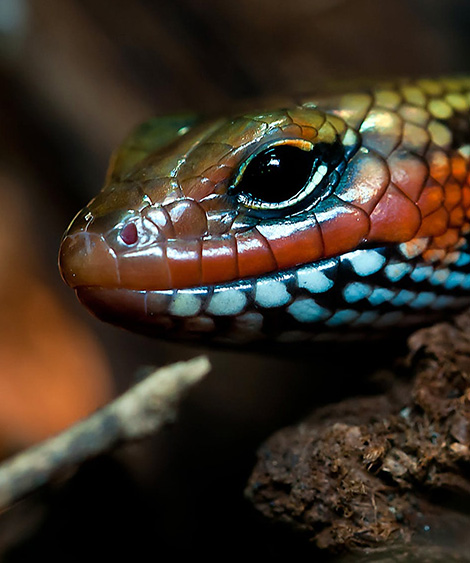
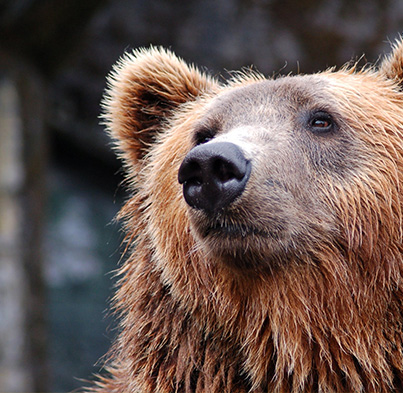
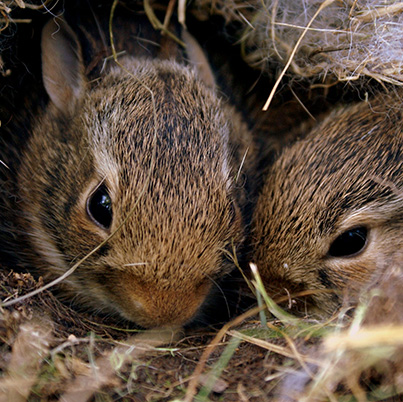
The exotic pet trade is a primary vector for invasion by non-native species to the Territory. However, proper permitting and responsible pet owners can keep pets from becoming pests! In the U.S Virgin Islands, an importation permit is required by the Department of Agriculture (DOA) and a retention permit is required by the Division of Fish and Wildlife (DFW) for all nonnative species brought into the Territory and housed as pets.
The DFW permit is free and can be found on the DPNR website at Permit Application (vi.gov). You may also complete a DFW exotic pet permit during our annual Exotic Pet Amnesty Week which usually happens over the summer months in St. Thomas and St. John districts, and during Ag Fair in May on St. Croix.
Stay tuned for details of follow the Department of Planning and Natural Resources for updates on this event (Facebook link). The Division thanks all the responsible pet owners that have current and updated exotic pet permits!